If you have a solar panel system in Cyprus, you already know the basics: the sun is working for you. What you may not know is how much of that energy is being wasted every day and how straightforward it is to change that.
Since 2026, the rules around solar energy in Cyprus have changed significantly. The old net metering system, where surplus energy was credited back to you at the full retail rate, has been replaced by a new self-consumption framework. Today, any energy you export to the grid is compensated at the wholesale price: a fraction of what you pay to buy electricity.
The result is clear: every kilowatt-hour you produce but don't consume yourself is now worth considerably less than it used to be. The statistics confirm it: in 2025, 47% of distributed solar energy in Cyprus was curtailed, meaning it was lost entirely because there was nowhere for it to go.
The solution doesn't necessarily require new equipment. It starts, above all, with a change in mindset. Here are six practical steps to get started.
1. Shift Heavy Appliances to Solar Hours
The simplest and most immediate way to increase your self-consumption costs nothing at all. You just change when you use your appliances.
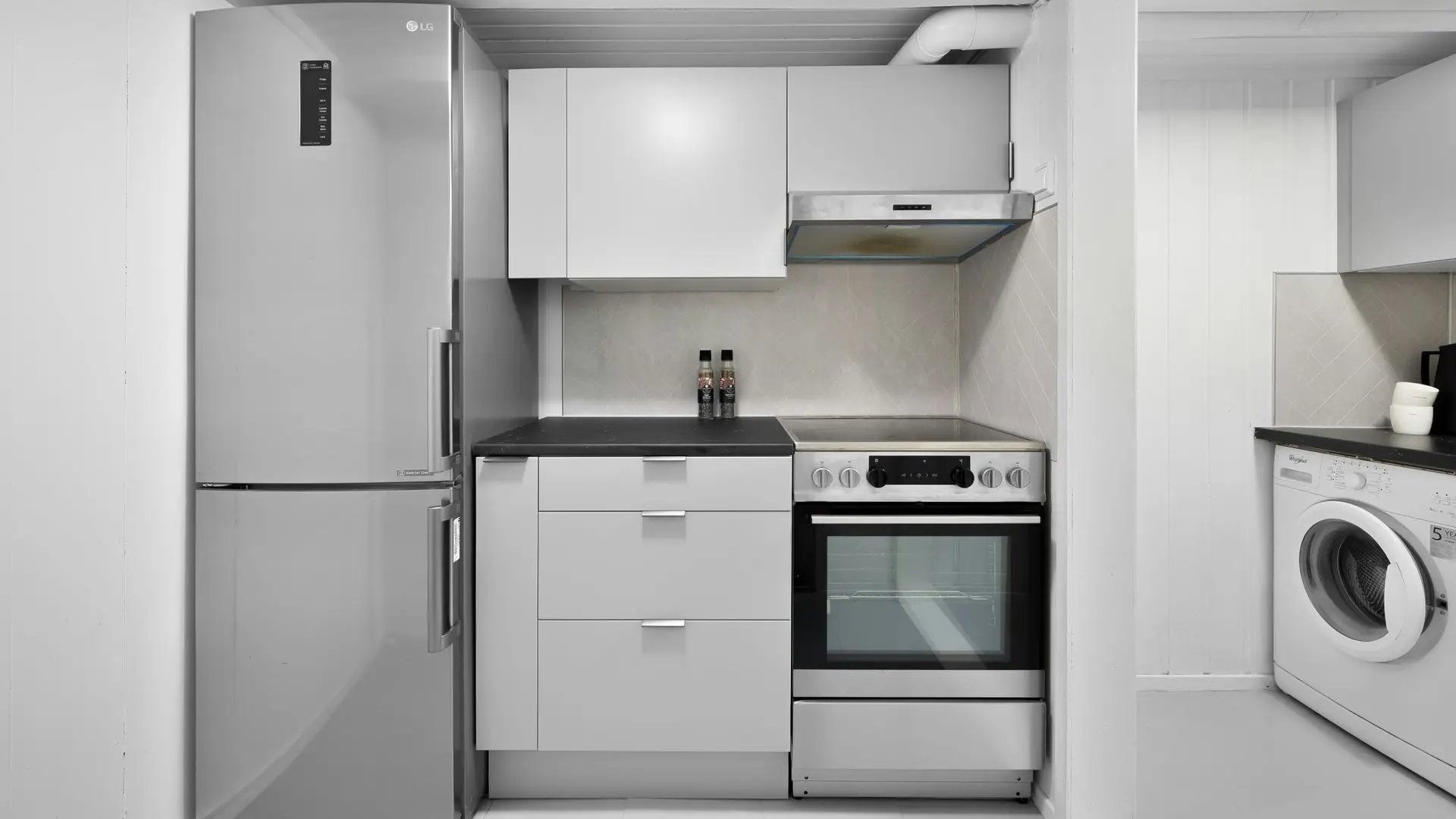
Washing machine, dishwasher, tumble dryer, these three alone account for a significant portion of a household's daily electricity consumption. Almost all modern appliances have a delayed start function. Set them to begin between 10:00 and 15:00, when your solar panels are producing at their peak.
The result: your appliances run on free solar energy instead of drawing from the grid in the evening.
Cost to implement: €0
2. Put Your Water Heater on a Timer
The electric water heater is one of the largest electricity consumers in a Cypriot home. Most run on a fixed schedule set at some point in the past, with no consideration for the solar system.
The fix is simple: a mechanical timer, costing under €20, programs the heating cycle to run between 10:00 and 14:00. Instead of drawing from the grid in the morning or evening, the water heater charges up on solar energy that would otherwise be exported for almost nothing.
If you already have a solar water heater, the same logic applies to the electric backup element, time it to solar peak hours.
Cost to implement: ~€20
3. Solar Diverter: Automatic Zero Waste
If you want a smarter version of the above, a solar diverter does exactly that: it monitors in real time how much energy you're producing and how much you're consuming, and automatically redirects any surplus to your water heater.... before it leaves for the grid.
You don't need to remember anything or change any habits. The device decides on its own, in fractions of a second, what happens to every surplus kilowatt-hour.
It's cheaper than a battery storage system and ideal as a first step for households that want to reduce losses without a large investment.
Cost to implement: ~€300–500 installed
4. Pool Pump: The Hidden Opportunity
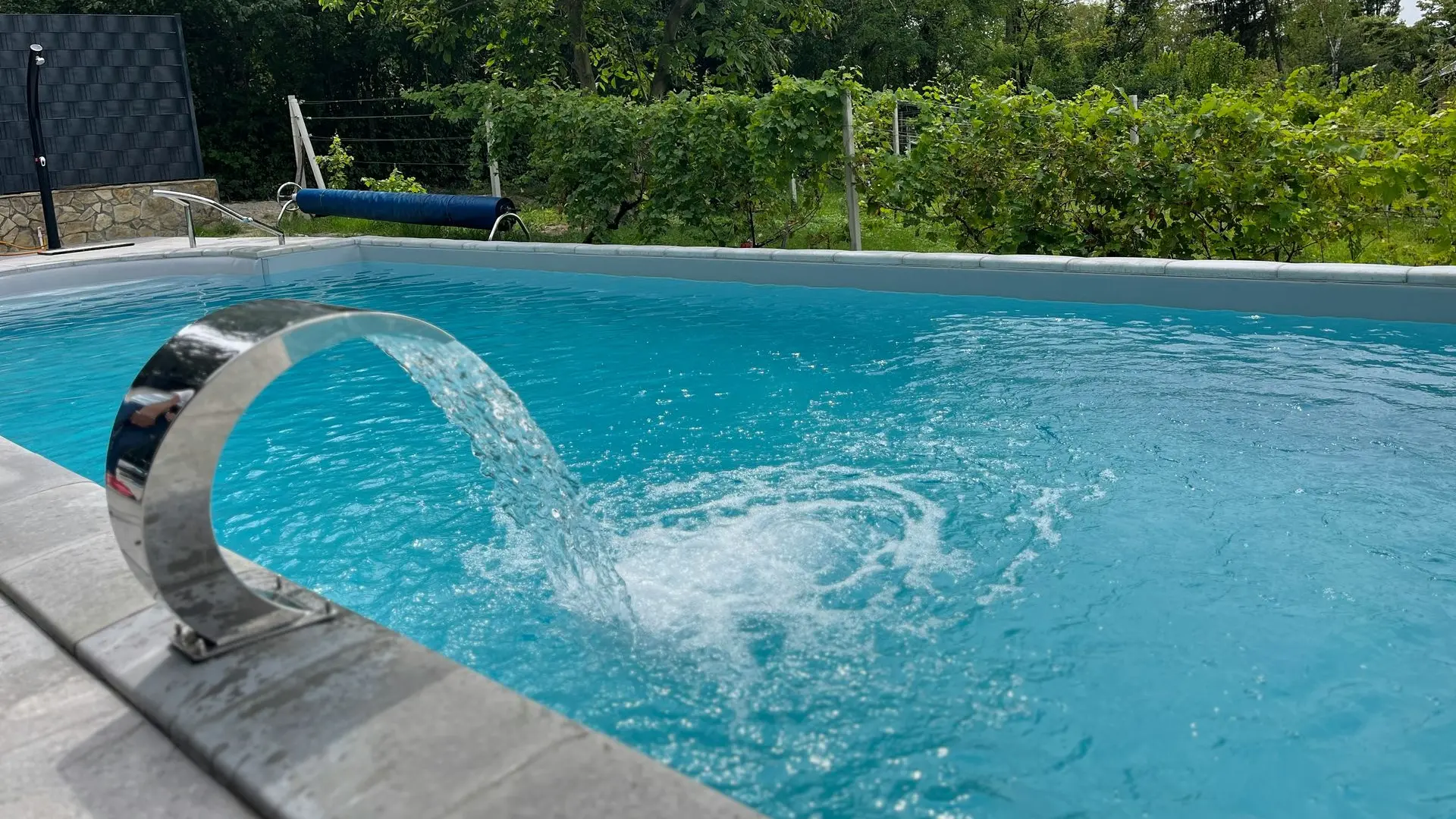
For Cypriot households with a swimming pool, the circulation pump is often the most overlooked consumer, running for hours every day with little thought given to when exactly it operates.
Change the schedule so that the pump runs primarily between 10:00 and 15:00. It's a two-minute change to your programmer that has no effect on water quality, but turns one of the biggest loads in your home into a solar-powered one.
Cost to implement: €0
5. Pre-Cool Your Home with Solar
This is perhaps the most effective change for the Cypriot summer, and the most counterintuitive.
Instead of switching on the air conditioning in the afternoon, when solar production drops and grid electricity costs more, run it hard between 10:00 and 14:00. Bring the temperature down to 21–22°C, then switch it off or reduce it to minimum.
The thermal mass of the building, walls, floor, furniture, absorbs the cool air and releases it slowly throughout the afternoon. In a typical Cypriot home, the effect lasts 3–5 hours. The energy used was solar. The expensive afternoon grid never got touched.
Cost to implement: €0
6. Smart Plugs with Timers
Are there appliances in your home that can run without anyone being present? Dehumidifier, second fridge, chargers, fan: Any of these can be connected to a smart plug and programmed to operate exclusively during solar production hours.
Smart plugs are available from €15–30 and are controlled via a smartphone app. No installation required, no technician needed. You plug them in, set the schedule, and every appliance connected to one effectively becomes solar-powered.
Cost to implement: €15–30 per plug
The Next Step: Home Energy Storage
The six changes above help you consume more solar energy during the day. But if your home is empty during peak hours, there is a natural limit to how much you can absorb.
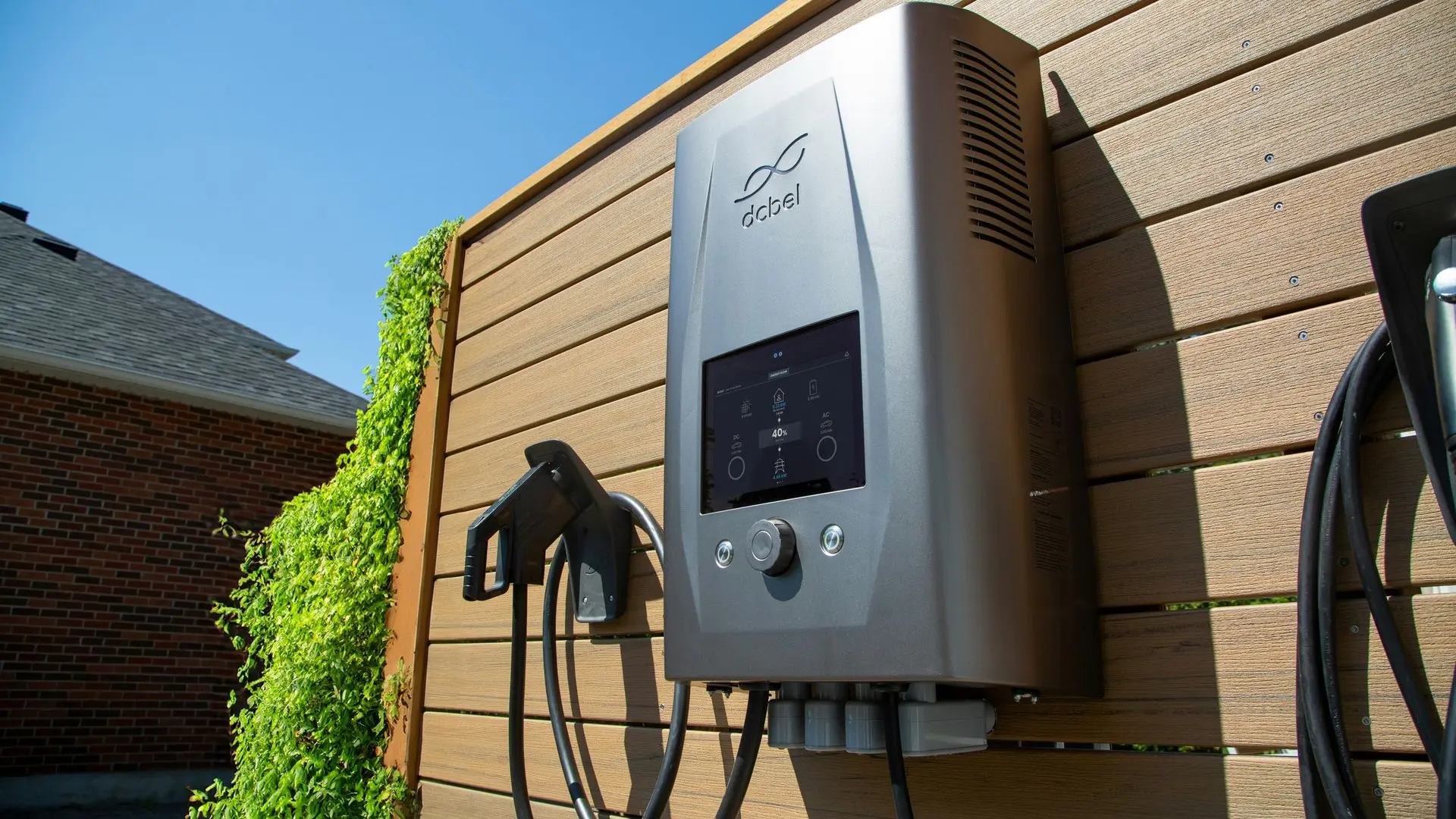
This is where a home battery storage system comes in. A 7–10 kWh system stores whatever you don't consume during the day and releases it in the evening, when the panels aren't producing. Installation costs start from €3,000–6,000, with a payback period of 5–7 years, taking into account the active European subsidy program that can significantly reduce the upfront cost.
Want to Know How Much Energy You're Losing Every Day?
At Eletoyia, we offer a free analysis of your bill and installation, giving you specific answers: how much you're producing, how much you're consuming, how much is being lost, and which of the above changes will have the greatest impact for your particular situation.
We don't sell equipment for the sake of it. We tell you what makes sense for you.